
Britain's far right surges as thousands flood London
The Rise of the Hard-Right in British Politics
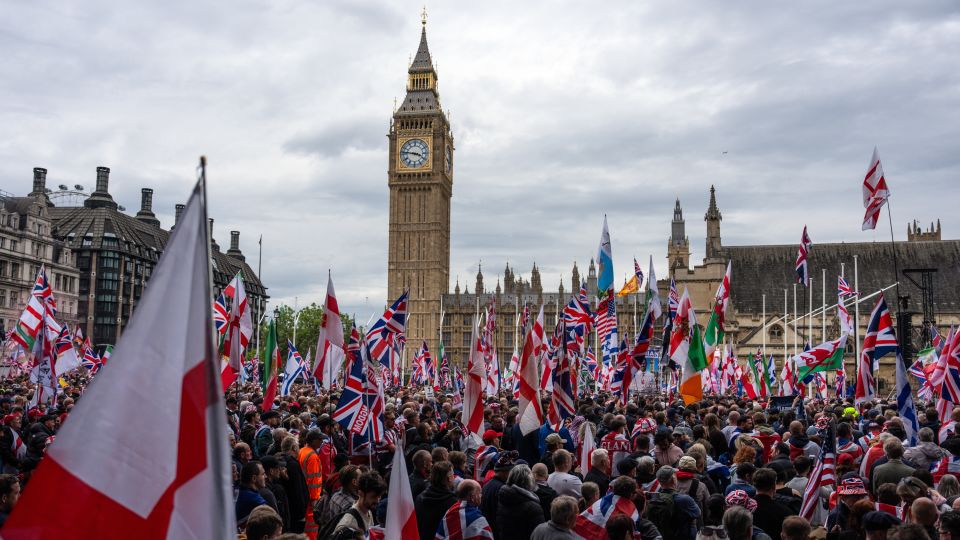
When around 150,000 people gathered in London in September for a rally led by Tommy Robinson—a figure known for spreading anti-Muslim rhetoric and having multiple criminal convictions—it marked a significant shift in the political landscape of the UK. Sadiq Khan, the mayor of London, remarked at the time that “something in our country changed.” This event felt like a turning point, but as more people began to show up for similar events, it started to feel less extraordinary.
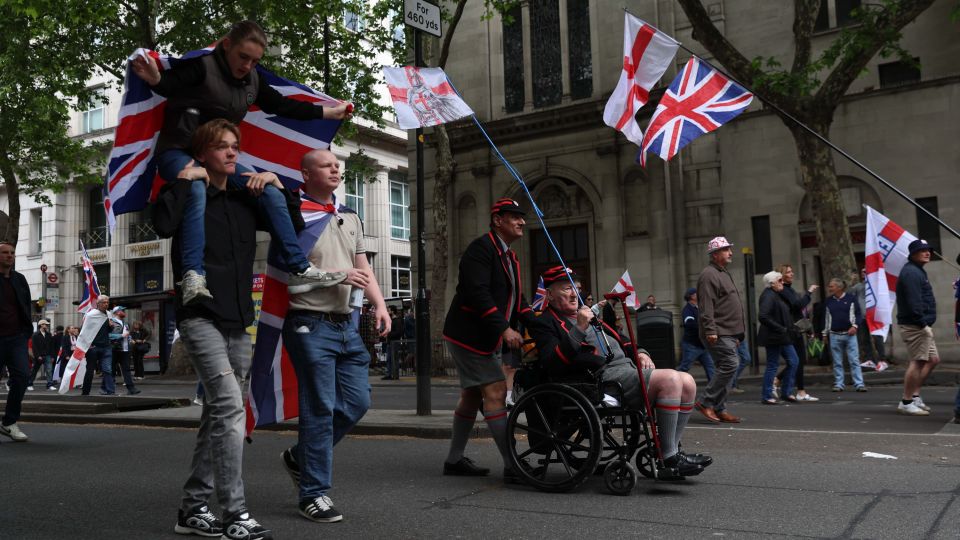
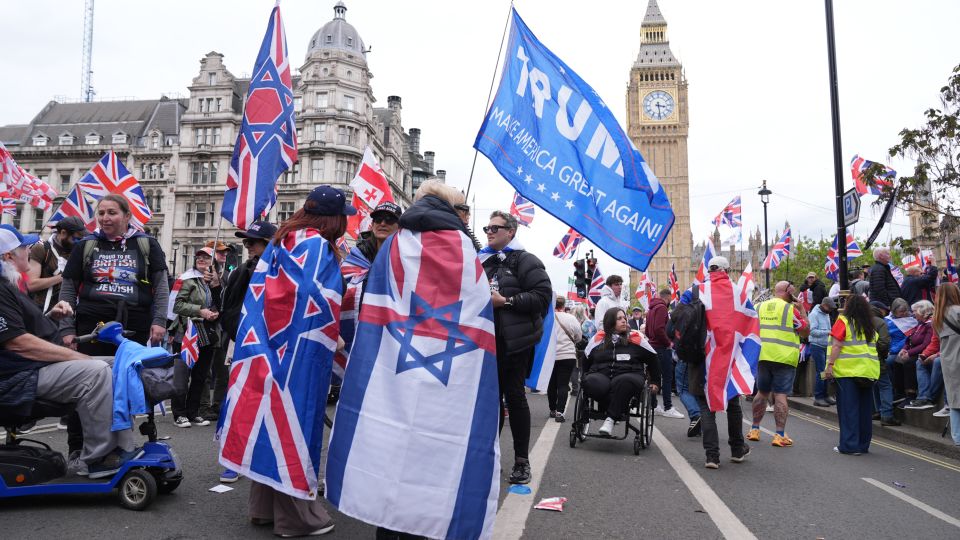
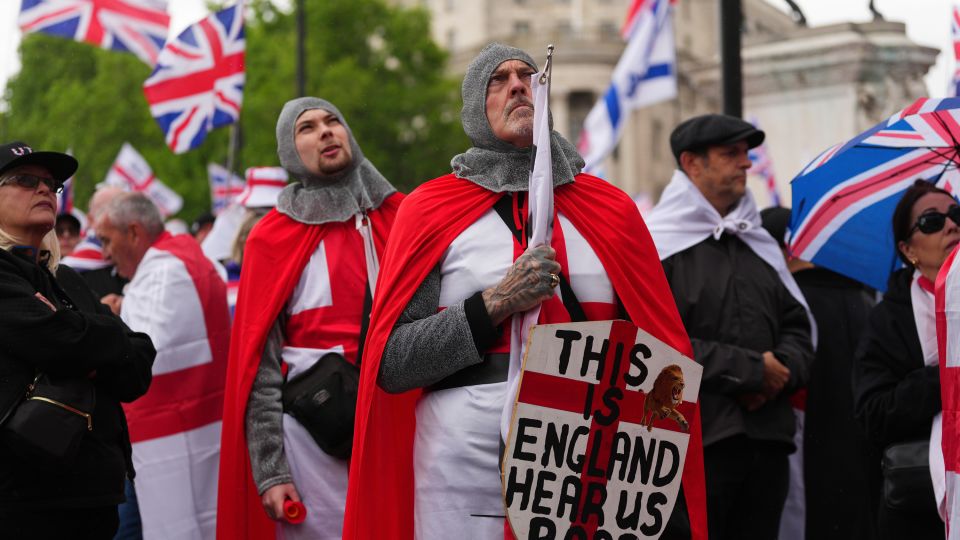
The latest “Unite the Kingdom” march saw tens of thousands gather in the capital, reflecting how once-unspoken views are now becoming mainstream. These marches, organized by Stephen Yaxley-Lennon (Tommy Robinson), serve as platforms for these ideas. At one such event, Pete, a 64-year-old from Derbyshire, expressed his belief that unauthorized immigrants should leave the country, stating, “They shouldn’t be in this country. They’re claiming benefits. ‘Benefit Britain’ has got to end.”
At the September rally, the atmosphere was tense and militant. Elon Musk, via video link, told the crowd, “Whether you choose violence or not, violence is coming to you. You either fight back or die.” This kind of rhetoric is increasingly common among those attending these events.
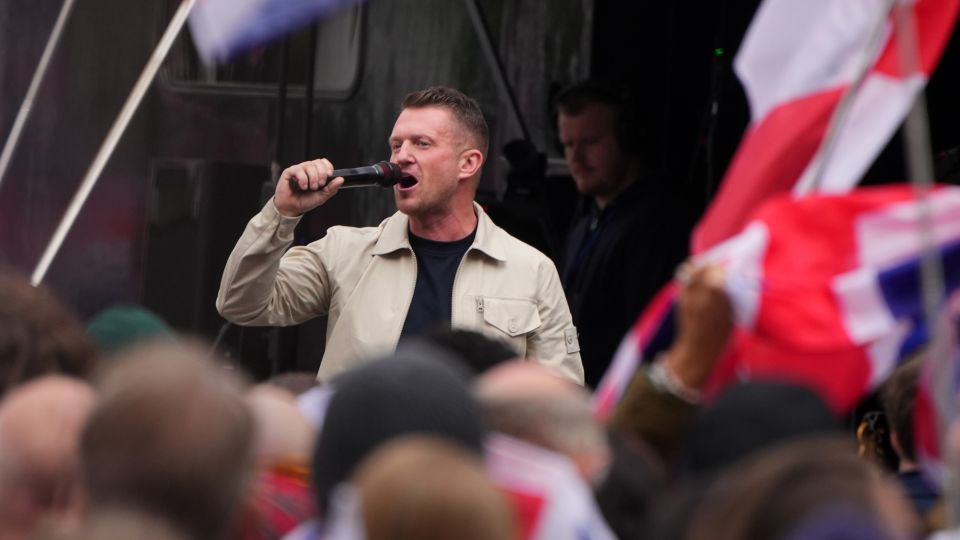
Saturday’s march, while smaller than the previous one, still drew significant numbers. Robinson’s message remained aggressive, urging supporters to become activists to prevent losing their country. He called on them to prepare for the “Battle of Britain,” emphasizing the need for involvement ahead of the next general election.
Although the next general election is not scheduled until 2029, recent developments in Westminster have raised questions about the stability of Prime Minister Keir Starmer's government. Labour’s internal struggles have given a boost to hard-right movements, which are becoming more organized and influential.
Starmer expressed support for peaceful protests but criticized the organizers for promoting “hatred and division.” His government has also taken steps to block visas for far-right agitators seeking to spread extremist views in the UK. However, many see this as an effort to counter a growing movement that feels increasingly disconnected from traditional political structures.
The Influence of Far-Right Movements
The “Unite the Kingdom” march does not align with any specific political party, but it draws support from various factions. Many participants wore turquoise, the color associated with Reform UK, led by Nigel Farage, a key figure in Brexit and an ally of Donald Trump. Despite Reform’s recent electoral gains, some marchers feel the party is not radical enough.
Analysts suggest that Reform’s success stems from its more moderate approach, welcoming figures from the previous Conservative government. However, this has led to criticism from some who believe the party has lost its edge. For instance, Pete from Derbyshire found Reform less appealing, opting instead for the “Restore Britain” movement led by Rupert Lowe, who was expelled from Reform over allegations of workplace bullying.
Lowe, backed by Musk, advocates for mass deportations and a “hostile environment” for illegal immigrants. His party’s goals resonate with many who feel the current government has failed to address immigration concerns adequately.
Diverse Perspectives and Conflicting Ideologies
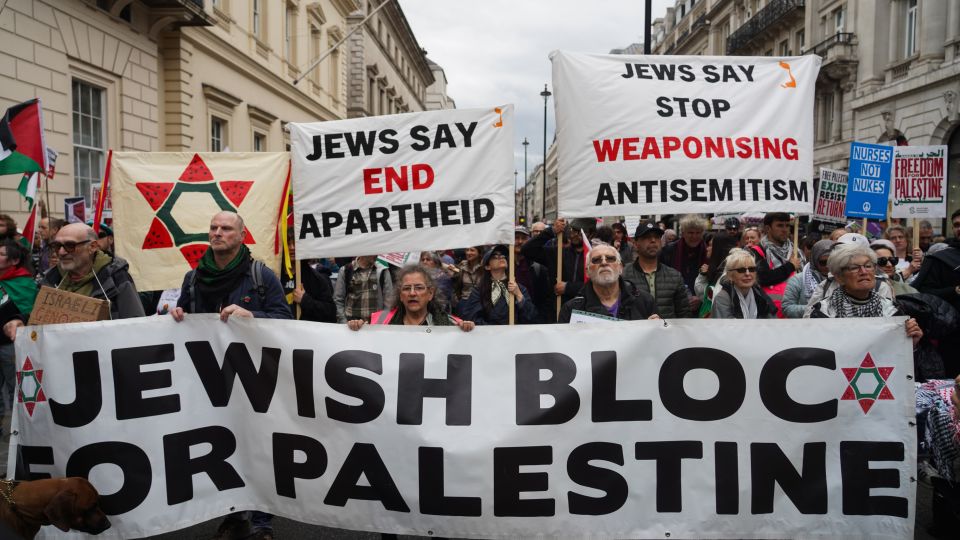
The march featured a mix of ideologies, with some participants carrying Israeli flags alongside those displaying signs critical of Israel. Others supported mass deportations, while a woman waved a Danish flag, advocating for stricter immigration laws inspired by Denmark’s policies.
Additionally, several marchers carried Iran’s royal “Lion and Sun” flag, supporting exiled Crown Prince Reza Pahlavi. Hossein Khani, a participant in his 50s, joined the demonstration due to frustration with Starmer’s lack of support for US-Israeli strikes against Iran, which many Iranian exiles hope will lead to regime change.
Despite the diversity of opinions, a common theme emerged: the desire for stronger leadership in Britain. Many attendees had voted for Brexit in 2016, motivated by the promise of “taking back control.” Saturday’s march seemed to echo this sentiment, calling for a forceful return to a perceived era of national strength.
A Call for Strong Leadership
When asked which British politician last inspired him, Pete chose Margaret Thatcher, despite her policies that affected his job. “I didn’t like her, but she had a backbone,” he said. “She did cost me my job. But she was strong. She wouldn’t be bullied by Europe. And she didn’t want open borders.”
This sentiment reflects a broader longing for decisive leadership, even if it means revisiting controversial policies. As the hard-right movement continues to gain traction, it remains to be seen how the UK will navigate this shifting political landscape.

Post a Comment for "Britain's far right surges as thousands flood London"
Post a Comment