
Aviation Expert Reveals Fuel and De-Icing Costs 10x Higher Than Expected
The Hidden Costs and Surprises of the Aviation Industry
The aviation industry is experiencing a surge in global travel, with more people taking to the skies than ever before. As this trend continues, many are curious about what goes on behind the scenes in the world of flying. To uncover some of these secrets, we spoke with Robert Cullemore, an independent aviation consultant and expert with 19 years of experience in the field. His insights reveal some surprising truths about the costs, decisions, and future of air travel.
Unveiling the High Costs of Aviation
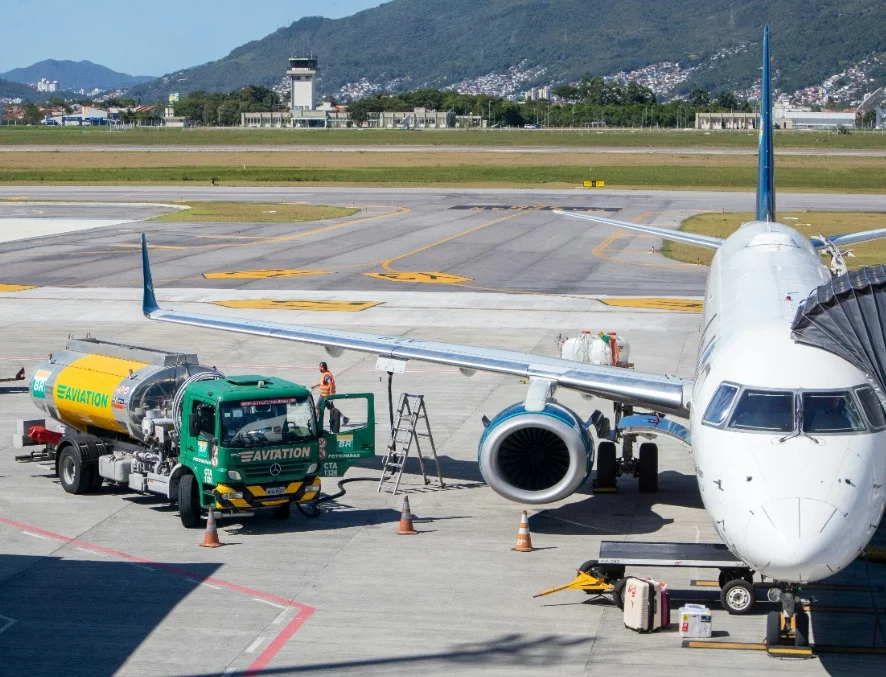
One of the most eye-opening revelations from Cullemore is just how expensive certain aspects of aviation can be. “First, the annual fuel bill is much higher than you think. Take the number you believe it to be and multiply it by 10,” he said. For major airlines, fuel is typically the largest single operating cost, often making up 20 or even 30 percent of total expenses. In 2024, the global airline industry’s fuel bill was estimated at around $280 billion.
Another costly factor is de-icing. “You’d think it’s just a bit of warm water sprayed on the wings and therefore cheap, but it isn’t,” Cullemore explained. De-icing requires a chemical product that is expensive to manufacture, transport, and store. For a wide-body aircraft like the Boeing 777 in heavy snow, the cost can easily reach $10,000 or $20,000 for a single treatment.
The Influence of Maintenance Bases on Airline Routes
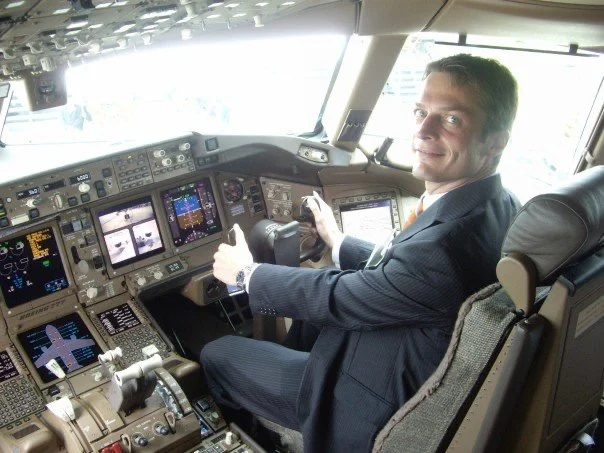
When it comes to deciding where to fly, one of the most surprising factors is the presence of a maintenance base at a particular airport. “Planes require constant upkeep, and often they undertake this work at airports outside of their main bases of operation,” Cullemore explained. Every aircraft must be completely disassembled, inspected, and reassembled every few years or after a set number of flight hours.
This need for maintenance can also lead to the creation of specific routes. “There are cases where airlines launched new routes precisely for this reason. They realized they were frequently flying on empty [‘ferry flights’ is the industry jargon – empty planes traveling to/from a maintenance base] and decided they might as well sell seats on those legs,” he said.
The Wildest Aviation Bill Ever Seen
Cullemore shared a jaw-dropping example of an aviation project gone rogue: “The £49 billion ($67 billion) envisaged cost estimate to construct a third runway at London’s Heathrow Airport, which at this point is over three times the 2018 estimated cost of £14 billion ($19 billion).” To put that in perspective, this cost is roughly equivalent to the GDP for 2025 of Tunisia.
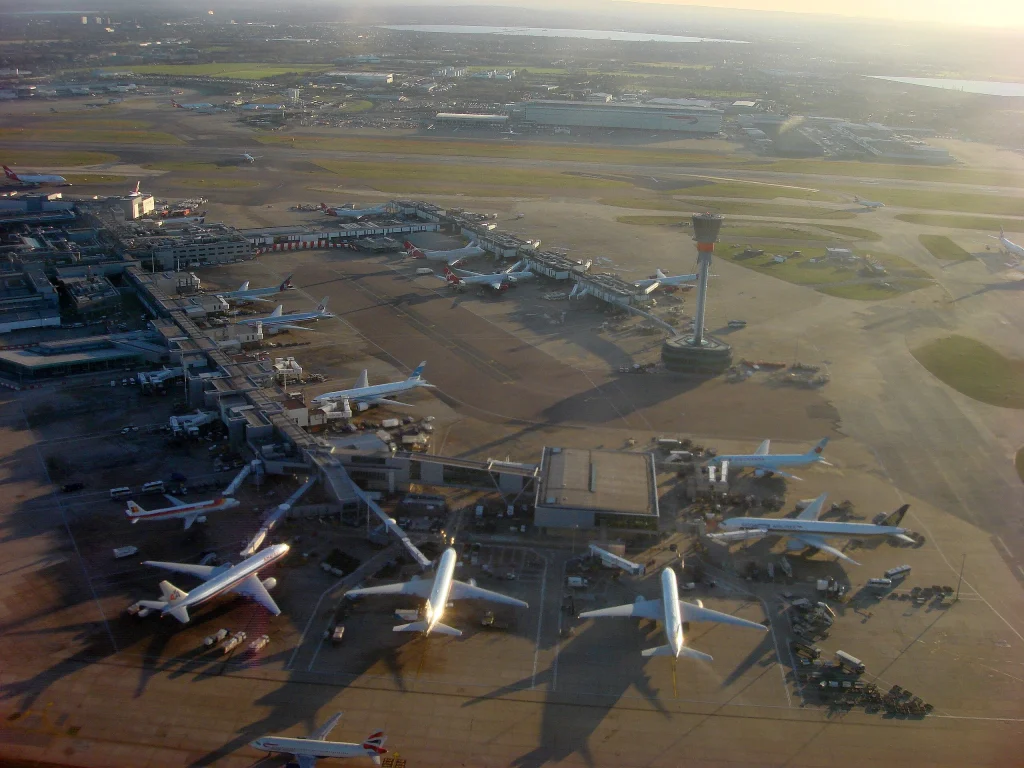
The project has been on the agenda for years, and Cullemore humorously noted, “There are probably people in the aviation industry who graduated, got promoted, then retired and maybe spent most of their career on this project.”
Debunking Common Myths About Delays
Delays are a common frustration for travelers, but many don’t realize the complexity behind them. “Most people don’t realize that air traffic control is actually split,” Cullemore explained. Tower Control handles the runway, taxiing, and everything while the plane is landing and taking off. Center Control takes over once the plane is at altitude and flying.
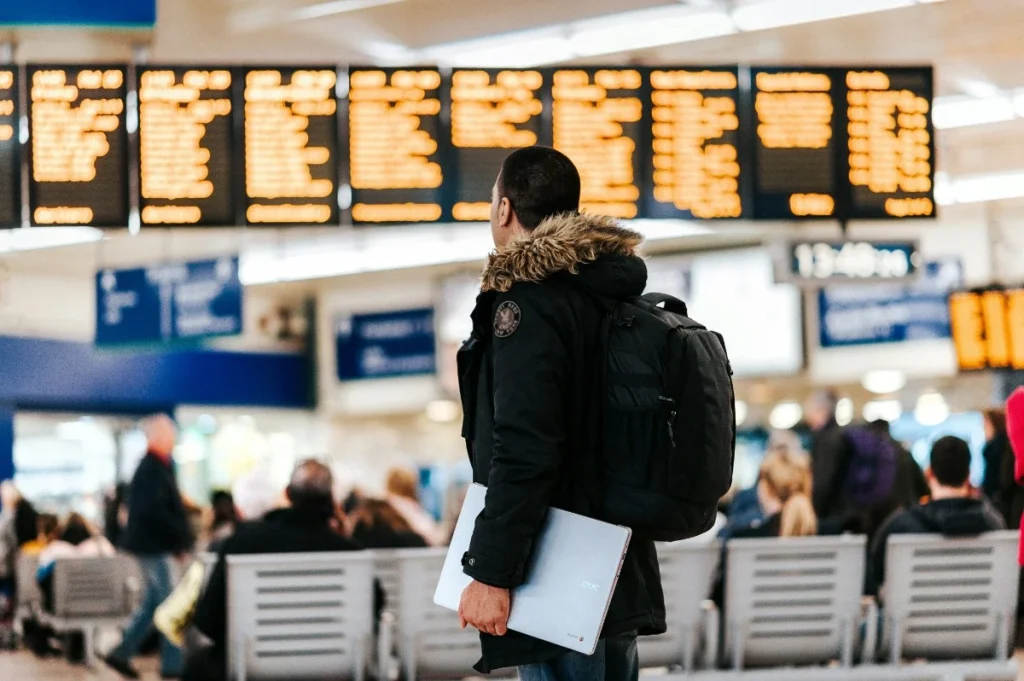
“This leads to the main reason why there are so many delays. So many flights are held up simply because the airspace is congested with too many planes flying using the same ‘highways’ in the sky,” he said.
The Future of Air Travel: Electric, Hybrid, or Ultra-Long-Range?
Looking ahead to the airline of 2035, Cullemore shared his thoughts on the potential of electric aircraft. “Electric aircraft aren’t advanced enough for long-range operations, and even if they were, they’d need all kinds of certifications that would be hard to get,” he said. “For that reason, all-electric airline operations will remain niche in the aviation industry.”
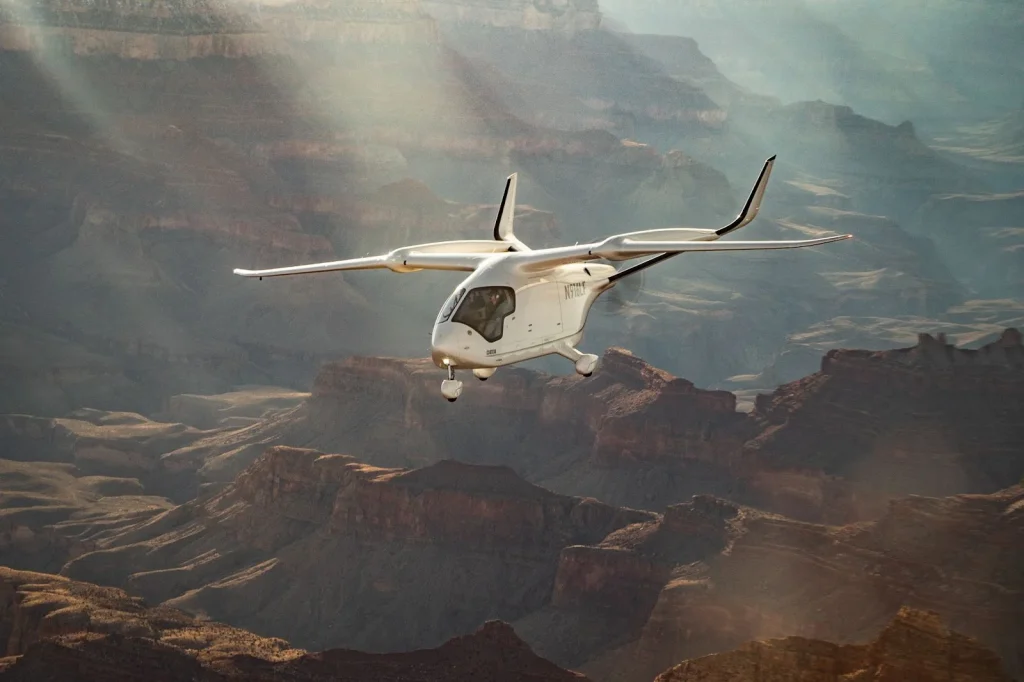
However, he did note that eVTOL (electric vertical take-off and landing aircraft) operations could become more common, especially in the Middle East. “Tests are already being conducted in that part of the world, but fuel efficiency remains a barrier,” he added.
In terms of broader trends, Cullemore believes that the industry will see increases in fuel efficiency and the use of sustainable aviation fuel (SAF) across narrow-body and wide-body operations. This shift will have a ripple effect on long-haul flights.
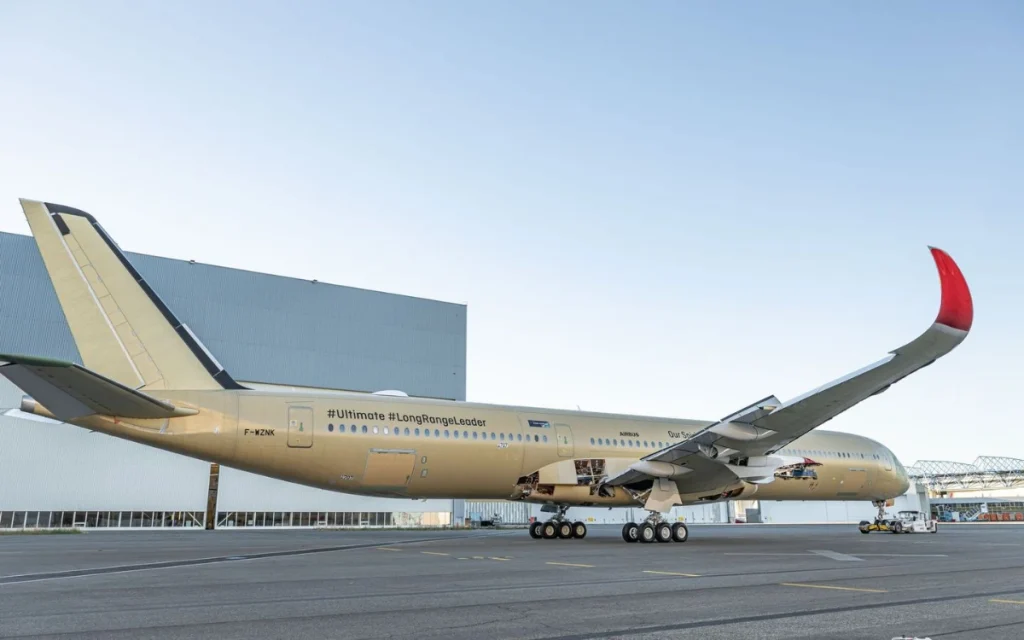
“You’ll see a lot of headline-grabbing direct routes thanks to these long-range aircraft, like the Airbus A350-1000ULR that’s going to be used by Qantas for ‘Project Sunrise’, connecting London and Sydney with a non-stop flight,” he said. However, he also noted that the economic viability of such long flights remains uncertain. “Just how many direct routes are economically viable with flight durations of over 17 hours remains to be seen,” he concluded.

Post a Comment for "Aviation Expert Reveals Fuel and De-Icing Costs 10x Higher Than Expected"
Post a Comment