
Arthur Hayes: 99% of Altcoins Will Crash to Zero, and That's Fine
The Crypto Market: A Cycle of Survival and Failure
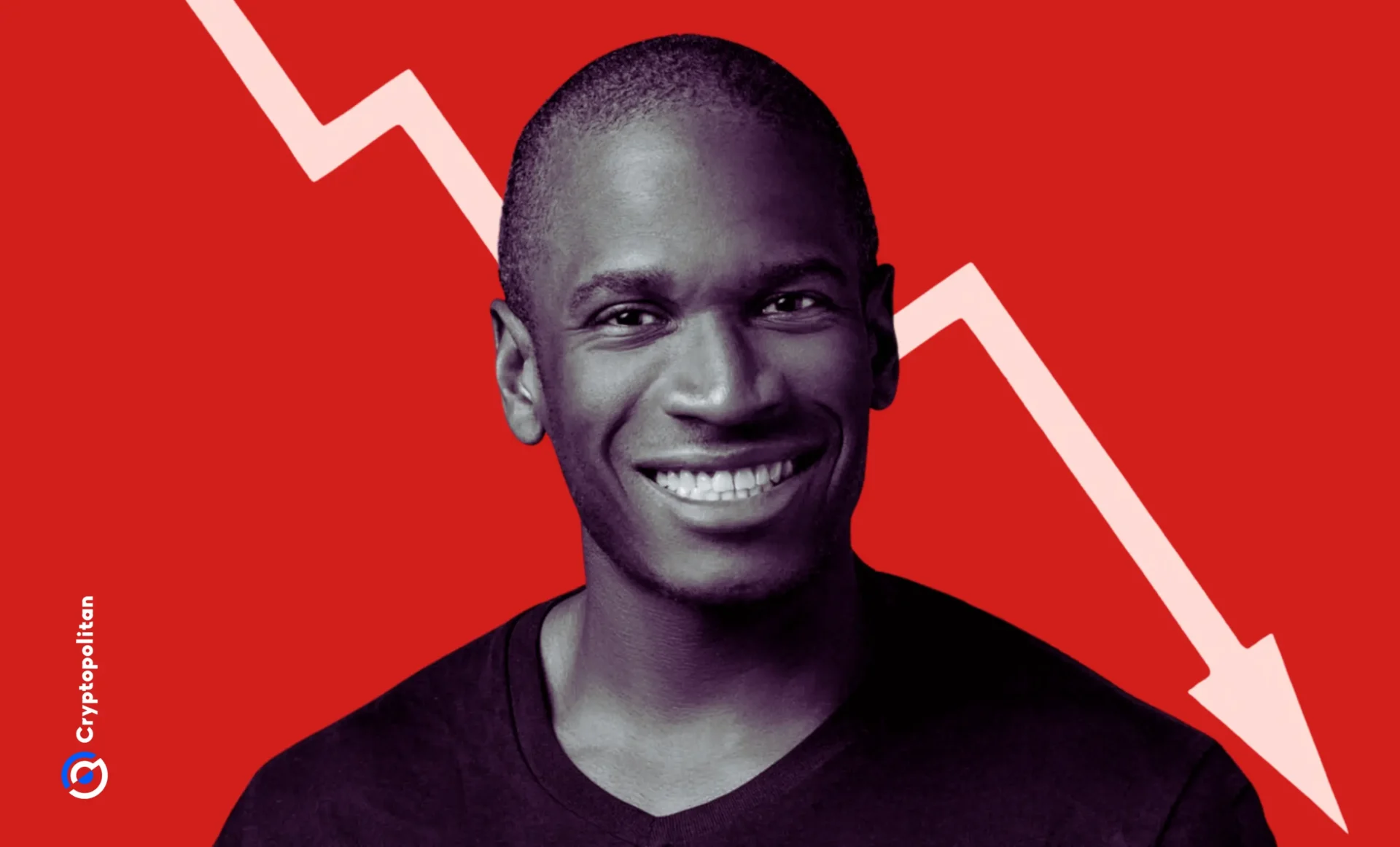
Arthur Hayes, a prominent figure in the cryptocurrency space, addressed the Consensus Miami 2026 audience with some strong opinions about the future of altcoins. He emphasized that most of these alternative cryptocurrencies are not built to last, and he suggested that 99% of what he referred to as "shitcoins" could potentially crash to zero. However, he clarified that this does not signal the end of the entire crypto market.
Hayes compared the situation to the cycles of the traditional stock market, specifically the S&P 500. He highlighted that even though the stock market is seen as a more stable investment, it has experienced numerous failures over time. According to Hayes, since 1929, approximately 98% of all companies listed in the S&P 500 have gone bankrupt or lost all value. This comparison suggests that failure is a natural part of any financial system, whether it's stocks or cryptocurrencies.
The Survival Test for Altcoins
Hayes pointed out that failed altcoins follow a similar survival test that has historically eliminated many old names from the S&P 500. He predicted that the crypto market's crashes will likely be faster due to the continuous trading of tokens, which occurs all day and every week. This lack of barriers and the high level of chaos in the crypto market contribute to its volatility.
He also connected this failure rate to the concept of capital formation. Hayes explained that despite the high failure rate, the model still allows people to raise money, test new products, and discover what works. He argued that the term "coin" makes the whole idea seem strange to outsiders, but when viewed as software projects, it becomes easier to understand. Just like software, some tokens gain users while most do not, creating a brutal game of survival.
Replacing 'Coin' with 'Software'
Hayes advocated for replacing the terms "token" or "coin" with "software." He believed that doing so would make the concept more relatable to people. By viewing many tokens as software projects, it becomes clear that the failure of most software is a normal part of the development process.
Bitcoin and Regulation
When discussing Bitcoin (BTC), Hayes addressed the topic of regulation. He stated that crypto does not need political permission to achieve its potential. Instead, he recommended focusing on Bitcoin's price history across different U.S. governments as a cleaner chart to watch.
Hayes explained that the fair value or future price of Bitcoin depends on the number of fiat units available today and in the future, as well as the pace of fiat creation. He criticized the current industry focus on TradFi (traditional finance), regulators, and the integration of crypto into the banking system, calling it a "bastard child."
The Role of Fiat Creation
According to Hayes, the more money that is printed in the U.S. and around the world, the more value Bitcoin will hold in fiat currencies. He stressed that the liquidity aspect of the equation is the primary driver of Bitcoin's price, rather than political factors.
Hayes noted that centralized crypto companies often seek regulation because it can protect their business interests. He acknowledged that these companies will likely lobby politicians to achieve their goals, but he emphasized that this does not affect the effectiveness of Bitcoin or the broader crypto market.
Bitcoin's Utility
Hayes pointed out that Bitcoin is currently trading around $82,000, not because of regulatory approval, but because of its utility. People can use Bitcoin to send value outside of traditional financial systems, bank rails, and state control. If Bitcoin were simply another fixed supply asset on the TradFi balance sheet, there would be no need for events like the Consensus Miami conference.
Conclusion
The insights provided by Arthur Hayes highlight the dynamic nature of the crypto market. While the failure of many altcoins is inevitable, the underlying principles of innovation, capital formation, and utility remain central to the long-term viability of cryptocurrencies. As the market continues to evolve, understanding these dynamics is crucial for both investors and enthusiasts alike.

Post a Comment for "Arthur Hayes: 99% of Altcoins Will Crash to Zero, and That's Fine"
Post a Comment