
Americans: Broke or Not? Trump Says Otherwise
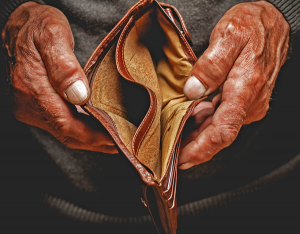
The Disconnect Between Political Narratives and Economic Realities
The economic landscape in the United States is marked by a stark contrast between the narratives promoted by political leaders and the lived experiences of everyday Americans. This disconnect has become increasingly evident, especially as both major political parties have failed to address the growing concerns of the public.
A Shift in Focus
When Joe Biden was in office, there were repeated warnings that the economic metrics used by the Democratic Party did not reflect the real struggles of the American people. Despite this, the party continued to emphasize macroeconomic indicators, which often painted an overly optimistic picture. This approach ultimately led to significant political consequences, as the public's dissatisfaction with the economy contributed to the rise of Donald Trump and the Republican Party.
Now, it's the Republicans who are repeating the same mistakes that led to the Democrats' downfall. Treasury Secretary Scott Bessent recently claimed that Americans’ negative views of the economy are unfounded, suggesting that they may be misrepresenting their financial situations. However, this perspective ignores the reality faced by many Americans.
Discrepancies in Public Perception
Numerous surveys and polls indicate that a significant portion of the American population is struggling financially. For instance, a Gallup poll revealed that 55% of Americans believe their personal financial situation is worsening, a trend that has persisted for five consecutive years. This figure surpasses even the challenges faced during the Great Recession. Additionally, over 70% of Americans reported difficulty affording basic necessities like food and housing, according to a CBS News poll.
Younger generations are particularly affected, with 81% of them rating the economy as "bad" or "terrible." These statistics highlight a growing sense of uncertainty and financial instability among the youth.
Financial Struggles and Debt
The Federal Reserve’s survey on household economic well-being shows that nearly two-fifths of Americans still cannot cover a $400 emergency. This figure has remained consistent since 2022, indicating a long-standing issue. Moreover, a significant number of Americans rely on noncash equivalents such as credit cards or loans to manage unexpected expenses.
The challenges extend beyond just emergency funds. The share of Americans concerned about finding or keeping a job has increased, with a four-point rise among those who consider it a major concern. Health care costs continue to be a pressing issue, with 43% of adults reporting they have had to cut back on medication due to costs, a ten-point increase from the previous year.
Rising Delinquency Rates
Delinquency rates for various types of loans have surged significantly. Auto loan delinquencies are at 40%, mortgages at 21%, and credit card delinquencies at 57%. These figures are far higher than pre-pandemic levels. Student loan delinquencies have also risen, with 3.6 million defaults in the last two quarters alone. Notably, these defaults are increasingly coming from older borrowers who were previously financially stable.
Impact on Homeownership and Bankruptcies
Foreclosure filings have spiked by 26% compared to the same period last year, reaching a six-year high. This trend is driven by the rising cost of home ownership, including higher house prices, interest rates, and condo fees. FHA loan delinquencies have also increased, reflecting broader economic challenges.
Farm bankruptcies have skyrocketed by 46% in 2025, with 70% of farmers unable to afford necessary fertilizers. General bankruptcies have also seen a 11% increase over the past year, with the most significant growth in nonbusiness bankruptcies.
Housing and Homelessness
The National Alliance to End Homelessness reported an unprecedented rise in homelessness, with an 18% increase from 2023 to 2024. Utility shutoffs have also surged, with data showing that millions more households are facing disconnections than anticipated. This trend is supported by analyses from the Washington Post, which found increases in disconnections in several states.
Retail Trends Reflect Economic Strain
Businesses traditionally favored by lower-income consumers are witnessing changes in customer behavior. Executives from Dollar Tree, Walmart, and McDonald’s have noted that while high-income earners are increasingly shopping at their stores, lower-income households are cutting back on spending. This shift indicates a broader economic downturn affecting all income levels.
In conclusion, the current economic landscape in the United States is characterized by a growing divide between political narratives and the realities faced by everyday Americans. Both major political parties have failed to address the genuine concerns of the public, leading to a deepening sense of disillusionment and economic instability.

Post a Comment for "Americans: Broke or Not? Trump Says Otherwise"
Post a Comment