
Albanian Killer's Asylum in Britain While on the Run
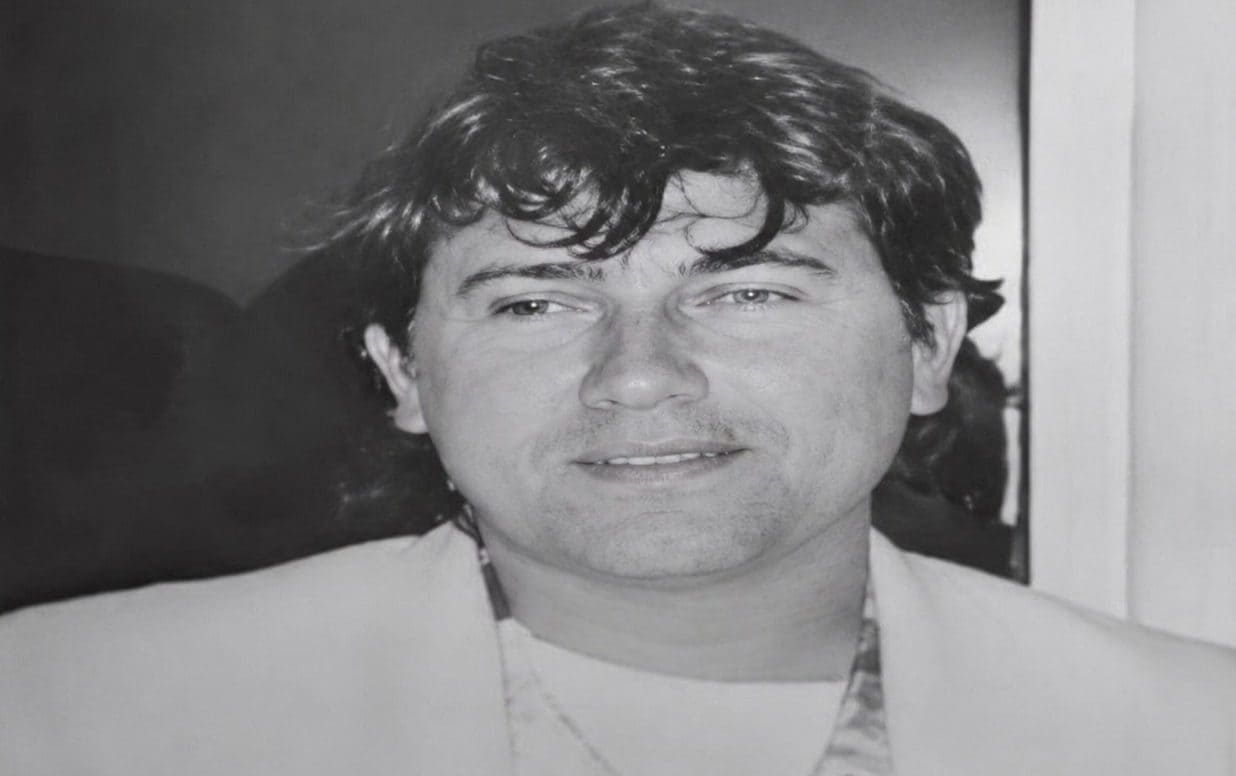
A Notorious Albanian Murderer Finally Apprehended After 30 Years on the Run
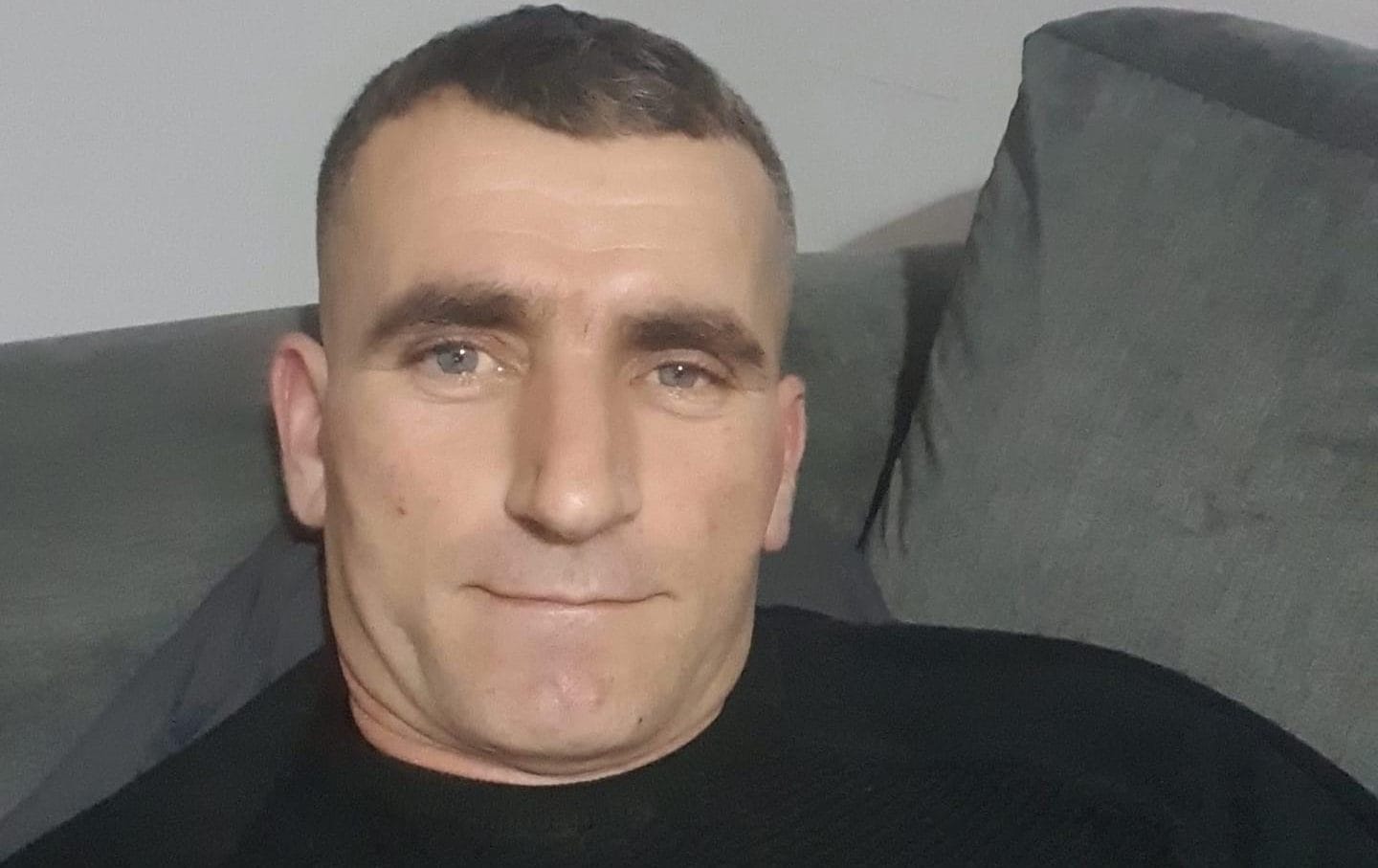
Sokol Hoxha, a 50-year-old Albanian man who was granted asylum and citizenship in the UK while evading justice for three murders, has finally been arrested in the United States. Hoxha's criminal history includes the murder of his 19-year-old wife in Belgium in 1997 and the killing of two brothers in Albania during the same year. He fled Europe and sought refuge in Britain under a false identity, claiming to be a Kosovan refugee. This deception allowed him to obtain asylum and eventually British citizenship.
Hoxha's arrest marks the conclusion of a six-year international manhunt involving law enforcement agencies across two continents. He had been the subject of two Interpol wanted notices for the three killings. The US Marshals Service confirmed that he was apprehended in Kettering, Ohio.
According to a spokesman for the US Marshals Service, the investigation revealed that Hoxha used a fraudulent identity after fleeing Belgium and later obtained citizenship in another European country under an alias. He then allegedly entered the United States and acquired lawful permanent resident status while continuing to hide his true identity.
The Telegraph reports that the UK granted Hoxha asylum based on his fake identity. He traveled to the US in 2012, using the alias to conceal his real identity for another 14 years. The marshals’ spokesman emphasized that Hoxha’s case highlights the effectiveness of international cooperation in bringing criminals to justice, regardless of their efforts to evade accountability.
Hoxha was sentenced in absentia to 25 years in prison for the double murder of two brothers in Patos, Albania. He is also accused of killing his 19-year-old wife after she refused to become a prostitute as he demanded. The National Crime Agency and the Home Office were involved in the six-year investigation, helping track his movements and immigration status after he moved to Britain and lived there for at least a decade.
Hoxha is not the only Albanian who gained a British passport through a false identity. Several other cases have emerged where individuals used fabricated names and stories to gain asylum and citizenship in the UK. These include:
- Avni Metra: He murdered two brothers before coming to the UK and was granted asylum and a passport using a fake name after pretending to be a war refugee from Kosovo. He was eventually extradited to Albania.
- Arsimi Murati: He successfully appealed against an attempt by the Home Secretary to strip him of his citizenship after falsely claiming to be Kosovan to remain in the UK and failing to disclose his past jail sentence for armed robbery in Albania.
- Afrim Sinani: He was sentenced to 20 years for murder in Albania and came to the UK in 1998 claiming asylum as a Kosovan refugee under the fake name Afrim Pulaj. After a lengthy legal battle, he was extradited to Albania in 2010.
- Ilir Kumbaro: A former branch director of the Albanian secret service, he was sentenced in absentia to 15 years for kidnapping and torturing a businessman. He came to the UK using a fake name, secured a passport, but disappeared while on extradition bail and has never been found.
The Broader Implications of Identity Fraud in Immigration Systems
These cases highlight serious vulnerabilities in the asylum and immigration systems of countries like the UK. When individuals use false identities to gain entry or citizenship, they can evade justice for crimes committed abroad. This not only undermines the integrity of the legal system but also poses risks to public safety.
The Hoxha case serves as a reminder of the importance of thorough background checks and cross-border collaboration between law enforcement agencies. It also underscores the need for stricter verification processes when granting asylum or citizenship, especially in cases involving individuals with potential criminal histories.
As global migration continues to rise, the challenge of identifying and prosecuting individuals who misuse the system becomes increasingly complex. However, the successful apprehension of Hoxha demonstrates that with persistent effort and international cooperation, even those who have evaded justice for decades can be brought to account.

Post a Comment for "Albanian Killer's Asylum in Britain While on the Run"
Post a Comment