
A Common Phone Accessory's Big Impact on Battery Health
The Hidden Impact of Smartphone Cases on Battery Health
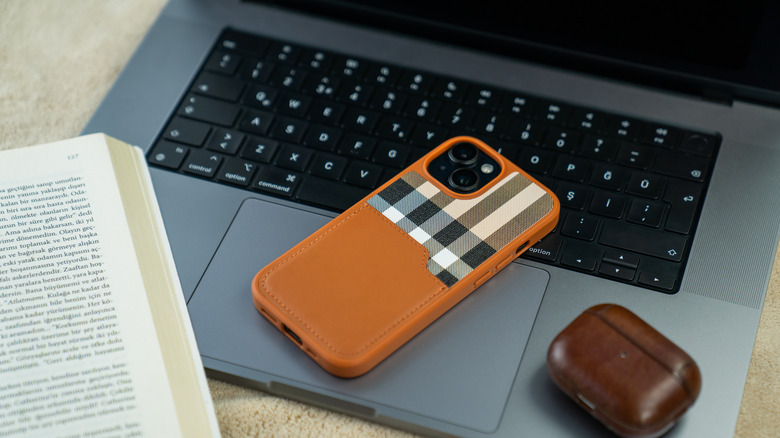
Smartphone cases, while convenient for protection and style, can have a surprising effect on your device's longevity. One of the primary concerns is heat retention. When your phone is charging, it naturally generates heat, and if you're using a case that doesn't allow proper heat dissipation, this can lead to thermal degradation. This process can significantly reduce the lifespan of critical components like the battery, even if you follow good charging habits.
Thermal degradation occurs when excessive heat causes internal components to wear out faster. Even with practices like disabling fast charging or setting a maximum charge limit, the issue persists if your phone is overheating due to its case. If you notice your phone getting unusually hot, it's a sign that it needs some ventilation. In many cases, going without a case during charging or heavy use can help prevent overheating and protect your device's battery health.
Why Some Phone Cases Are Better Than Others
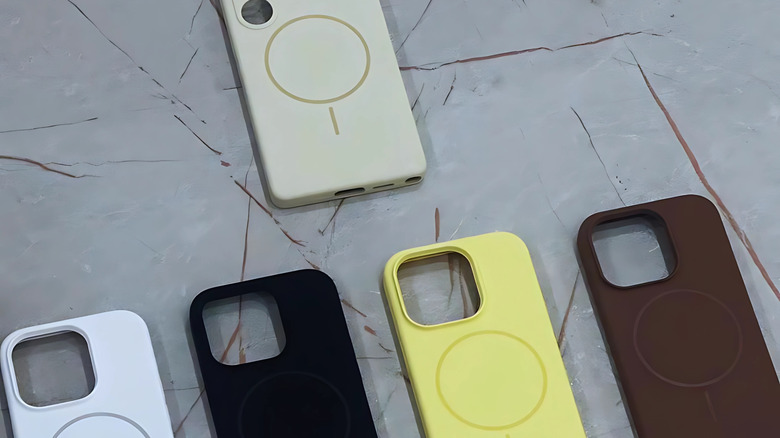
Not all phone cases are created equal when it comes to heat management. Heavy-duty cases, especially those made from materials like leather, silicone, wood, rubber, metal, or lower-quality plastic, can trap heat and prevent your phone from cooling down effectively. Thick or rugged cases may also impede airflow, leading to poor ventilation and increased risk of overheating.
However, not all cases are harmful. Some manufacturers design their cases with heat dissipation in mind, using thinner materials that allow heat to escape more easily. For wireless charging, MagSafe-compatible cases are often a safer choice, as they are designed to minimize heat buildup. Still, it's important to ensure that these cases are thin enough, have solid alignment, and don't trap heat due to poor material quality.
Tips for Safe Charging Practices

While removing your case during charging can help prevent overheating, it's equally important to adjust your charging habits. Many smartphones now come with an optimization setting that allows you to set a charging limit, typically around 80%. This feature helps reduce stress on the battery by avoiding the high-voltage phase of charging.
Some devices also offer a bypass charging feature, which provides power directly to the phone without using the battery. This is particularly useful during intensive tasks, such as gaming or video editing, where the battery might otherwise be overworked. Using this feature can help preserve battery health over time.
In addition to managing charging limits, it's crucial to be mindful of fast charging. While it offers convenience, it can generate more heat than regular charging, potentially accelerating battery degradation. To minimize this risk, consider using high-quality chargers—whether the ones that came with your device or third-party options that meet industry standards. These chargers provide the correct wattage and regulated current, ensuring safe and efficient charging.
Final Thoughts on Protecting Your Device
Smartphone cases can be beneficial for protecting your device, but they can also pose risks if not chosen carefully. By selecting cases that allow for proper heat dissipation and adjusting your charging habits, you can significantly extend the life of your phone's battery. Remember, going caseless isn't always necessary, especially with modern smartphones that are built to withstand drops and impacts better than ever before.
Ultimately, maintaining good charging practices and being mindful of how your phone handles heat are key to preserving its performance and longevity. Whether you choose to use a case or go without, making informed decisions about your device's care will pay off in the long run.

Post a Comment for "A Common Phone Accessory's Big Impact on Battery Health"
Post a Comment