
Orlando's $10K ADU Incentives: A Model for Solving the US Housing Crisis
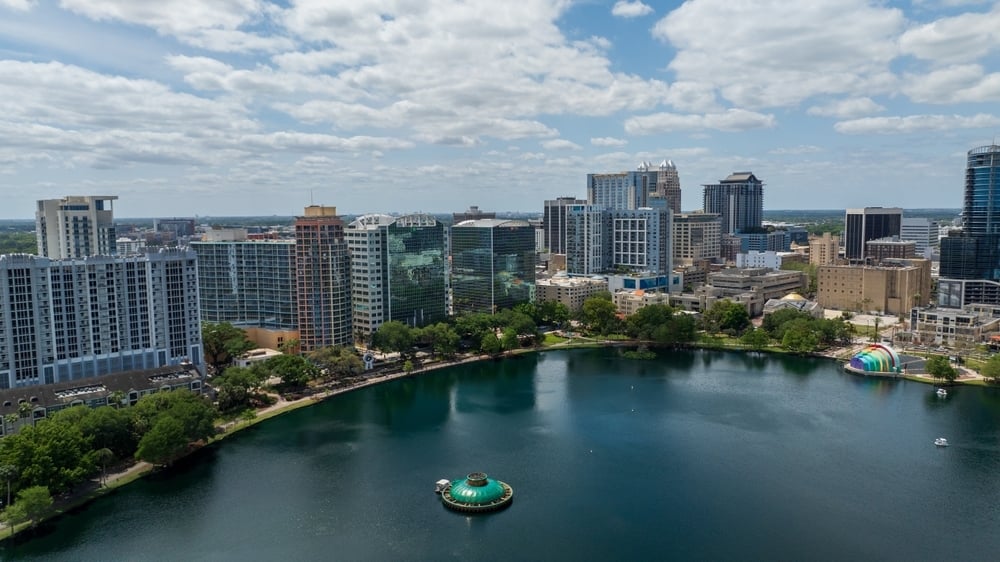
Orlando, Florida is taking a proactive approach to address the growing housing shortage by offering homeowners more than $10,000 in incentives to build accessory dwelling units (ADUs). These small rental units are seen as a key solution to expanding affordable workforce housing and meeting the needs of the city's hospitality and tourism sectors.
The city’s new ADU incentive program provides rebates that cover construction costs, permit fees, and certain impact fees for homeowners who construct and lease these units at workforce-friendly rates. According to Jason Burton, Orlando City Planning Manager, the initiative is a response to the need for more affordable housing. "We need a lot more affordable housing, and the market has always been producing three- and four-bedroom homes because that’s what we’ve always allowed. So we’re really playing catch up," he said.
Orlando Launches ADU Incentive Program
In February, Orlando approved the ADU Incentive Program as part of its efforts to tackle housing shortages linked to the region’s workforce. The program offers rebates of up to $10,000 for ADU construction costs, along with coverage of building permit fees and certain transportation, sewer, and park impact fees. To qualify, homeowners must rent the ADUs to tenants earning at or below 120% of the area median income for at least 12 of the first 24 months after receiving a certificate of occupancy. This requirement may be waived for residents aged 62 or older.
Orlando Simplifies ADU Permitting
To make the process easier for homeowners, the city announced plans in February to develop a library of pre-approved ADU designs. This initiative aims to simplify permitting and reduce the time and cost associated with constructing ADUs. Ben Paquin, Orlando Housing Initiative Manager, explained that the city is soliciting pre-designed ADU plans and expects the online library to launch in the fall following a review process.
"We want to make it easier to build these types of units," Paquin said. He noted that the process can be intimidating for many homeowners, but pre-approved plans could reduce design costs and streamline permitting.
ADU Program Rules and Limitations
The ADU program includes specific rules and limitations. Units must not exceed 500 square feet and cannot be built in front yards or dedicated easements. These restrictions ensure that ADUs fit within existing neighborhood structures without requiring new infrastructure.
ADUs Gain Attention As Housing Costs Rise
As housing costs continue to rise, ADUs have gained attention as a viable solution. In Orlando, the average home listing price is about $374,302, while renters pay roughly $1,887 per month on average. City officials view ADUs as a way to increase housing density without disrupting established neighborhood patterns.
"ADUs contribute to neighborhood stability by increasing housing density without requiring new infrastructure or disrupting established neighborhood patterns (gentle density)," a February staff memorandum stated.
Jeff Lichtenstein, CEO of Echo Fine Properties, believes ADUs can help address a range of housing challenges. "ADUs are perfect solutions to a lot of issues," he said. "Temporary workers who can’t afford something expensive and young people who just want to get in and own something don’t care so much about size."
Lichtenstein added that Orlando’s incentive program could encourage more ADU construction in the coming years. "If you visit other countries where there are population density issues, these are practical solutions that those countries deploy," he said. "The demand is overwhelming for this."
Expanding Investment Opportunities
While the focus here is on Orlando’s ADU initiative, it's worth noting that the real estate and investment landscape is evolving. Platforms like Arrived Homes, ARK7, and Fundrise are making it easier for everyday investors to diversify their portfolios beyond traditional stocks and bonds. These platforms offer access to real estate, private credit, and other alternative assets, providing opportunities for passive income and long-term growth.
For example, Arrived Homes allows investors to buy fractional shares of single-family rentals and vacation homes starting with as little as $100. Similarly, ARK7 enables investors to buy fractional shares of rental properties, offering access to potential rental income and real estate exposure without property management responsibilities.
Other platforms like FarmTogether and American Hartford Gold provide access to farmland and precious metals, respectively, giving investors additional ways to diversify their holdings. These options are particularly appealing for those looking to protect against inflation and market volatility.
Conclusion
Orlando’s ADU initiative represents a forward-thinking approach to addressing housing shortages while promoting affordability and neighborhood stability. By simplifying the permitting process and offering financial incentives, the city is encouraging homeowners to explore ADUs as a practical solution. As housing costs continue to rise, such programs could serve as a model for other cities facing similar challenges.

Post a Comment for "Orlando's $10K ADU Incentives: A Model for Solving the US Housing Crisis"
Post a Comment