
Ford CEO Warns: Blue-Collar Shortage Could Cost You
The Growing Crisis of Skilled Blue-Collar Labor Shortage
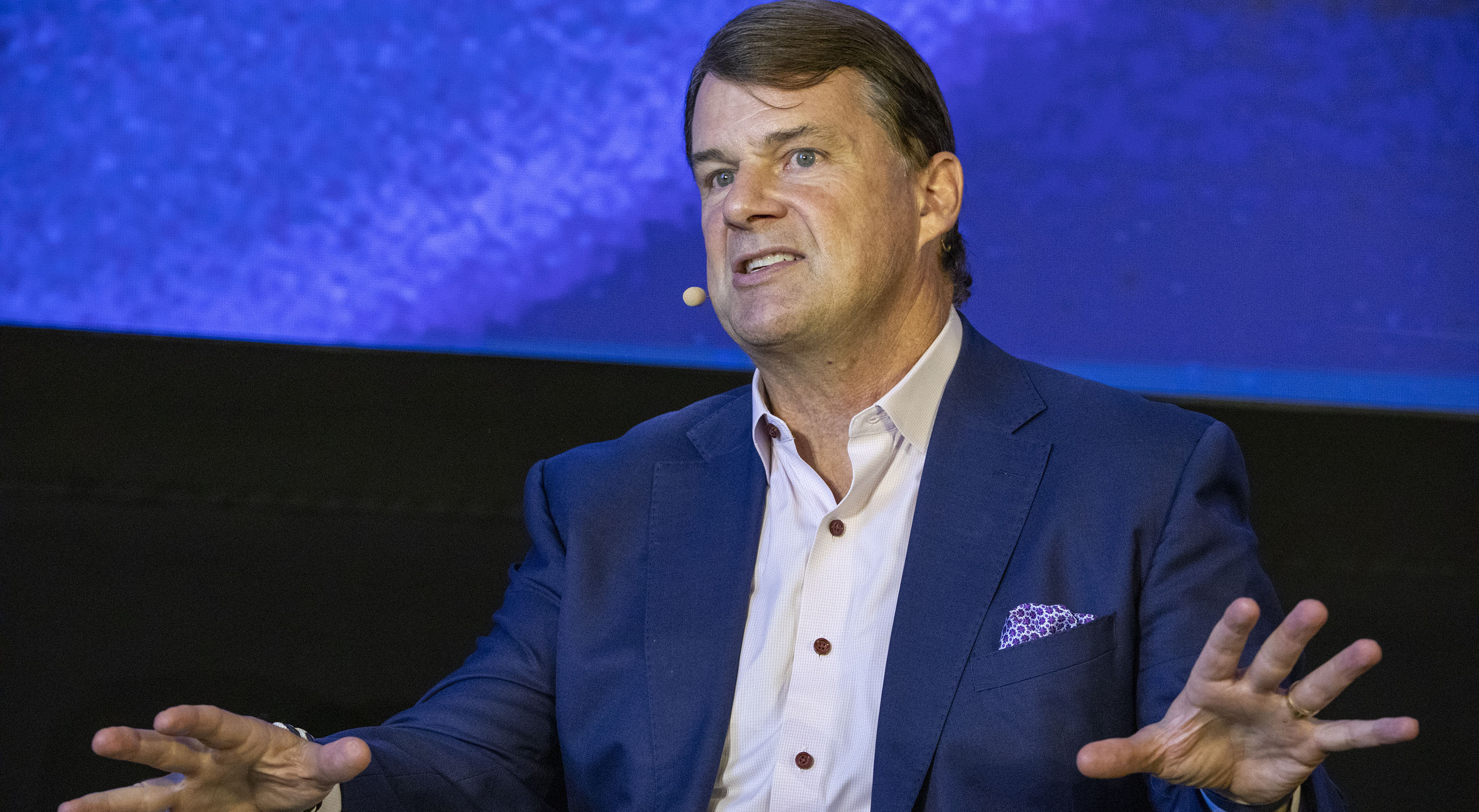
The United States is facing a critical challenge: a growing shortage of skilled blue-collar workers. According to Jim Farley, CEO of Ford Motor Company, this issue could have far-reaching consequences for the economy and everyday Americans. During a recent episode of his podcast DRIVE with Jim Farley, Farley emphasized that the country is in a "vulnerable place" and highlighted the risks associated with the labor shortage.
Why the Labor Shortage Matters to Everyday Americans
Farley described the individuals who maintain infrastructure, build homes, manufacture products, and keep supply chains running as the "essential economy." Without enough workers in these roles, there could be severe consequences, including higher costs, longer wait times, and fewer opportunities for consumers.
Mike Rowe, host of the TV series Dirty Jobs and a guest on Farley’s podcast, added that many Americans won’t fully understand the impact of the labor shortage until it directly affects their daily lives. "People don’t care about a shortage of plumbers until their toilet doesn’t flush," he said.
The Long-Term Nature of the Problem
The shortage of skilled labor has been developing for years, but it is becoming more urgent as older workers retire and fewer young people enter the trades. A 2024 study by Deloitte and the Manufacturing Institute found that the industry may need to fill 3.8 million jobs by 2033, but nearly 2 million of those could go unfilled due to current shortages.
This labor crunch is already affecting daily life. Homeowners across the country are facing higher renovation and repair costs as contractors struggle with personnel shortfalls. Industry groups, such as the Associated General Contractors of America, report that shortages of skilled workers are contributing to delays, rising construction costs, and longer project timelines.
Manufacturing and supply chain disruptions are also increasing costs for vehicles, appliances, and other consumer goods. Infrastructure projects are becoming more expensive as companies try to find qualified labor and equipment.
Rebuilding the Skilled Labor Pipeline
To address the problem, some companies are taking steps to attract younger workers into skilled trades. Ford, for example, has partnered with Carhartt to offer free gear for workers and invested in workforce development initiatives. The company also brought together policymakers, educators, and business leaders at a workforce summit focused on rebuilding the skilled labor pipeline.
Farley emphasized that decades of underinvestment in vocational careers have contributed to the problem. "If Henry Ford saw what has become of us, I think he’d be kind of mad," he said.
General Motors has also invested heavily in apprenticeship programs and workforce training initiatives, showing a broader trend among automakers to address the labor shortage.
Diversifying Investments to Hedge Against Uncertainty
While the skilled worker shortage is a major concern, the U.S. economy faces other challenges as well. Inflation surged to 3.8% in April, the highest level in nearly three years, primarily due to the war in Iran. Tariffs imposed by President Trump have also contributed to elevated costs in home renovation and manufacturing.
Investors looking to hedge against economic uncertainty can consider tangible assets with low correlation to traditional markets. Gold, for example, has historically acted as a hedge against inflation. Many investors are turning to gold IRAs, which allow them to hold physical gold or gold-related assets within a retirement account.
Another alternative investment gaining attention is fine art. With platforms like Masterworks, investors can buy fractional shares in multimillion-dollar artworks by artists like Banksy, Picasso, and Basquiat. While art can be illiquid, it offers unique portfolio diversification.
Real estate is another option for investors seeking stability. Platforms like mogul offer fractional ownership in high-quality rental properties, providing monthly rental income and tax benefits without the hassle of property management.
For accredited investors, multifamily and industrial real estate represent another promising opportunity. Platforms like Lightstone DIRECT provide access to institutional-quality deals with minimum investments starting at $100,000.
Conclusion
The shortage of skilled blue-collar workers is a growing concern that could have widespread effects on the economy and everyday Americans. As industries struggle to find enough workers, costs are rising, and projects are taking longer to complete. Addressing this issue requires long-term investment in vocational training and workforce development. At the same time, investors can look to alternative assets like gold, art, and real estate to protect their portfolios from economic uncertainty.

Post a Comment for "Ford CEO Warns: Blue-Collar Shortage Could Cost You"
Post a Comment