
Goldman Sachs Warns Strait of Hormuz May Never Recover as Gulf Builds Around It
The Strait of Hormuz: A Geopolitical Crossroads
The Strait of Hormuz, a narrow waterway between the Persian Gulf and the Arabian Sea, has long been a focal point of geopolitical tension. While recent agreements have promised to lift the US blockade within 30 days and restore pre-war shipping traffic, the future of this critical waterway remains uncertain. The memorandum of understanding outlines that commercial vessel traffic will resume immediately, but it also acknowledges the need for Iran to remove mines and obstacles in the strait, a task it claims to begin within 30 days of the agreement.
The demining process could be lengthy and expensive, yet there are already established routes that should be clear. However, the real concern lies in what may happen in the future, particularly with regard to potential changes in policy or strategy by Iran.
An Emboldened Iran and the Possibility of Future Fees
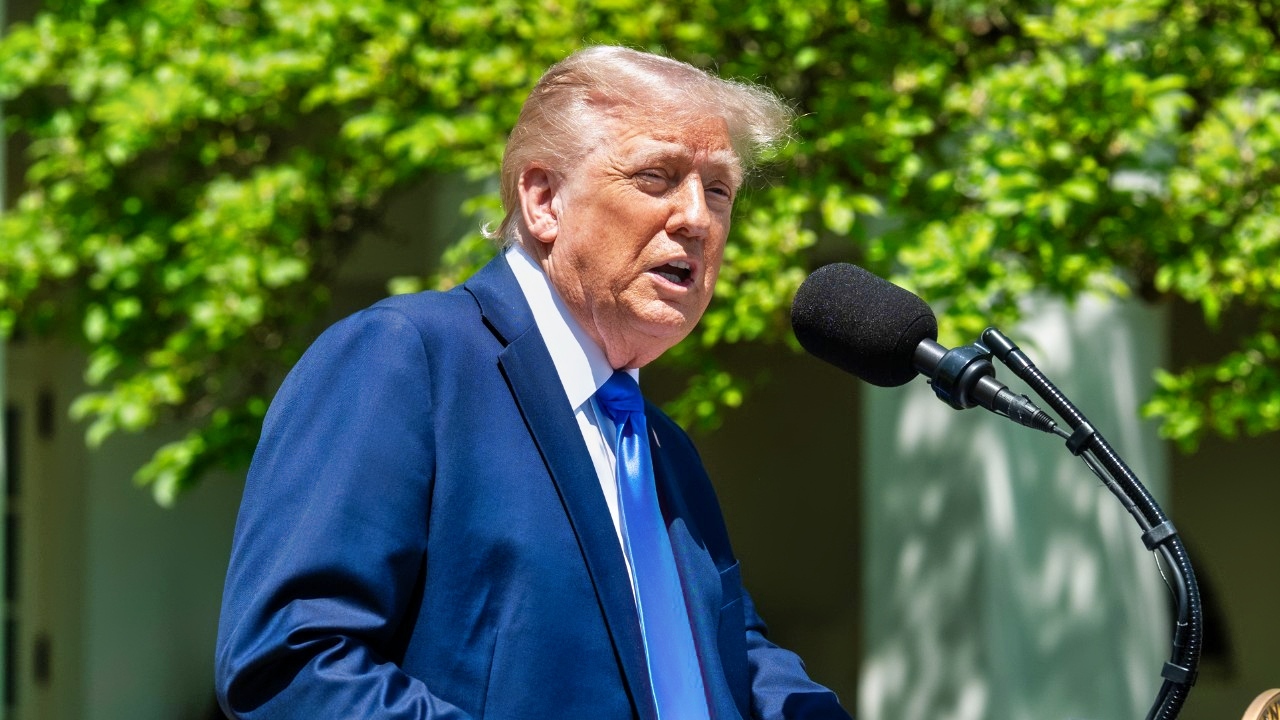
Despite President Trump's assertion that passage through the Strait will be "permanently toll-free," Iranian officials have indicated that after the 60-day window expires, they will work with Oman and other littoral states to define the future administration and maritime services of the strait. This has raised concerns about the possibility of Iran imposing fees for unspecified "services" going forward.
Fees and tolls are essentially the same thing, and in the event of any future conflict or if Iran becomes more emboldened, it is likely that the country will attempt to close or control the Strait of Hormuz once again. This potential shift in policy could have significant implications for global trade and energy security.
Iran’s Long-Term Goals and Asymmetric Tactics
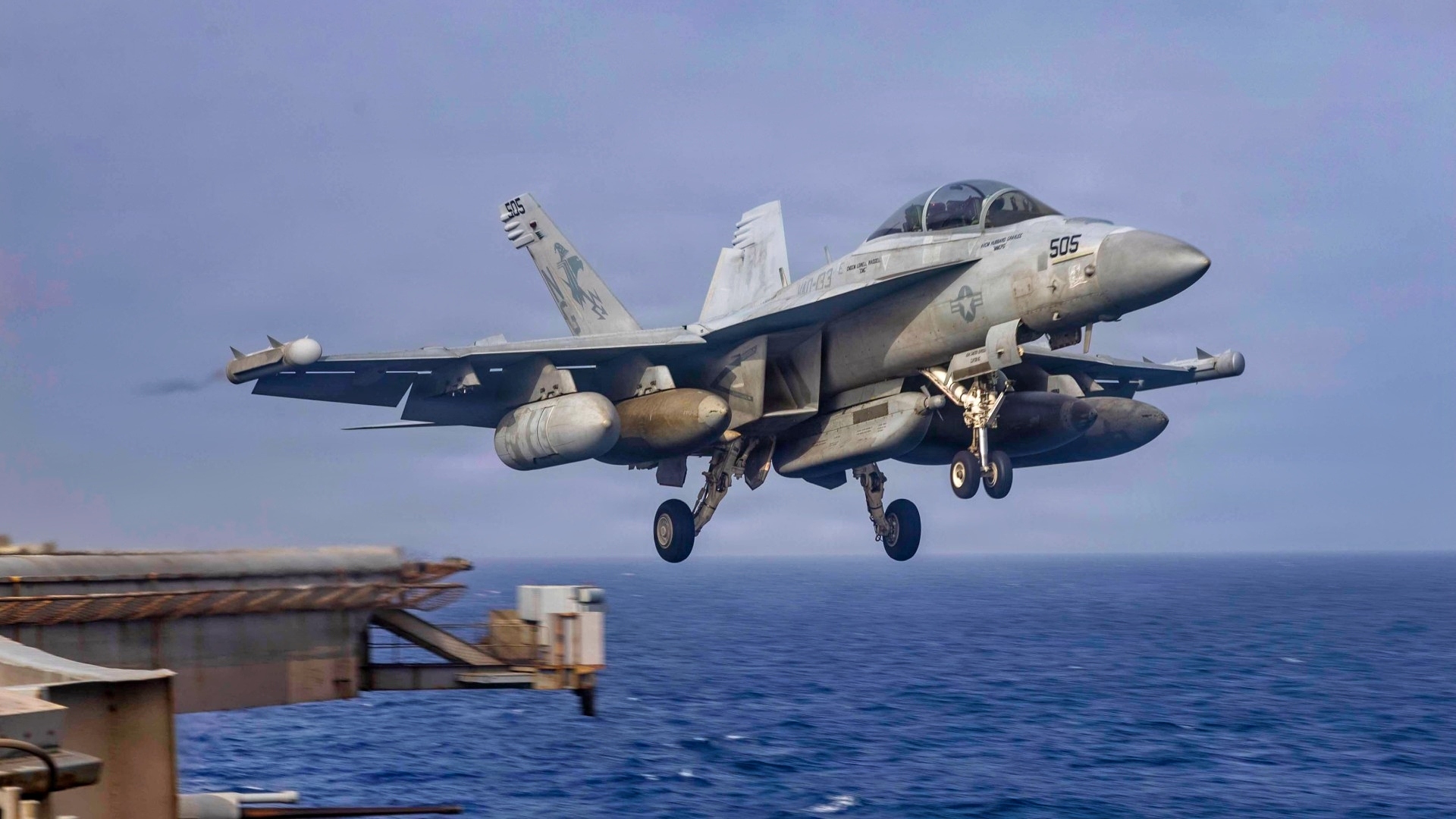
Iran’s long-term objective is to legitimize its sovereignty over the waterway. The country can leverage asymmetric tactics such as mines, drones, and selective tolls to assert control and potentially close the Strait to traffic again. These tactics allow Iran to exert influence without direct confrontation, making it a formidable player in the region.
The Role of Iran’s Proxies in Yemen
Iran's proxies, including the Houthis in Yemen, operate under the guise of independence, but their actions are often aligned with Tehran's interests. These groups receive support from Iran and carry out the regime's bidding. Any future conflict in the Middle East could see the Houthis attempting to block and restrict maritime traffic in the Red Sea.
The Yemeni rebel group recently declared a complete ban on "enemy navigation," specifically targeting Israeli-owned or linked ships, and has threatened to turn the Bab al-Mandab Strait into an active theater of military confrontation. In the 2024-2025 timeframe, the Houthis attacked over 190 commercial ships in the Red Sea, causing major disruptions to global trade.
Impact on Global Trade and Shipping
While the Houthis may not have the power to fully close the Red Sea, their threats have led to increased shipping insurance premiums and crew safety concerns. Many major shipping companies have chosen to reroute vessels entirely, opting for the longer route around the Horn of Africa despite the higher costs. This shift has reduced the leverage that the Houthis hold over global trade.
Energy Companies Rethinking Their Strategy
Energy companies and Gulf producers are already planning to bypass the Strait of Hormuz by rerouting crude flows through overland pipelines directly to open waters. Major state-owned operators are rapidly constructing new pipeline mega-projects to reduce their reliance on the Persian Gulf. This shift in global energy logistics has been driven by the crisis in the Strait of Hormuz, with oil companies seeking to avoid the risks associated with the chokepoint.
The United Arab Emirates (UAE) is fast-tracking the construction of its West-East pipeline, which is scheduled for completion in 2027. The project is nearly 50 percent complete and will double export capacity from the port of Fujairah, which sits on the Gulf of Oman outside the strait. Sultan Ahmed Al Jaber, CEO of the Abu Dhabi National Oil Company (ADNOC), has highlighted the need to reduce dependence on key chokepoints, calling it a dangerous precedent when a single country can hold the world’s most important waterway hostage.
Saudi Arabia has also ramped up flows through its East-West Pipeline to over 7.5 million barrels per day, allowing crude to exit via the Red Sea port of Yanbu. Goldman Sachs predicts that the Strait may never fully recover to pre-conflict traffic levels.
Diversifying Energy Sources
Many Asian countries that rely on the Middle East for their oil needs, such as South Korea and Japan, are seeking alternative suppliers from the United States, Canada, Venezuela, Azerbaijan, and Russia. These nations have signed comprehensive energy cooperation agreements, including plans for joint stockpiling, enhanced information sharing, and the establishment of a petroleum and LNG swap framework in the Indo-Pacific.
While these ventures cannot replace the volume of oil that flows through the Strait daily, every barrel from an alternative source reduces the leverage that Iran can wield in the future.
Political Implications and Ongoing Tensions
Critics of President Trump argue that failing to secure permanent control or address Iran's fundamental nuclear capacity during the initial conflict was a blunder, while supporters view the reopening of the vital trade route as a strategic victory. These issues will remain sticking points and are unlikely to be resolved by the US and Iran during the 60-day negotiating window.
About the Author
Steve Balestrieri is a National Security Columnist. He served as a US Army Special Forces NCO and Warrant Officer. In addition to writing on defense, he covers the NFL for PatsFans.com and is a member of the Pro Football Writers of America (PFWA). His work was regularly featured in many military publications.

Post a Comment for "Goldman Sachs Warns Strait of Hormuz May Never Recover as Gulf Builds Around It"
Post a Comment